Cart
0
Your items are reserved for the next
15:00
minutes!


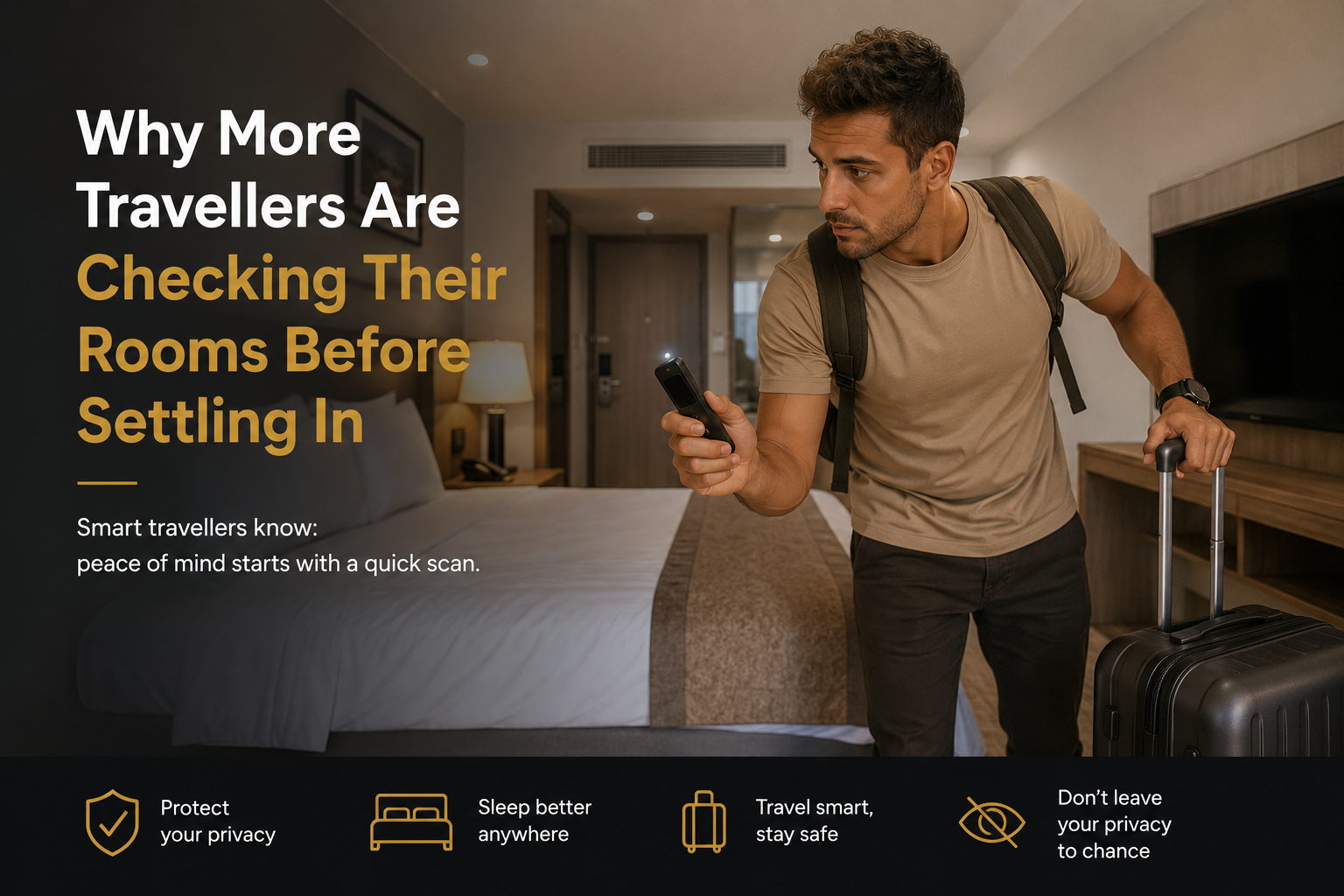
Most people assume hidden cameras are something that only show up in news headlines. A strange story online. A rare incident in another country. Something that happens to someone else. The reality is a little more uncomfortable. As cameras have become smaller, cheaper and easier to conceal, reports of hidden surveillance devices being discovered in hotels, holiday rentals, workplaces and even private homes have become increasingly common. What's surprising is not where these devices are found. It's how easily they blend in. Many hidden cameras are designed to look like everyday objects. In most cases, the goal isn't to stand out. It's the opposite. The less noticeable the device is, the longer it can remain undetected. If you've ever walked into a hotel room, Airbnb or unfamiliar property and wondered whether everything is really as private as it seems, you're not alone. Below are some of the most common locations where hidden cameras and surveillance devices have been discovered, along with a few practical ways to protect your privacy.
Private rentals are often the first place people think about when discussing hidden cameras.
That doesn't mean hosts are doing anything wrong. The vast majority operate professionally and respect their guests' privacy.
The challenge is that private accommodation doesn't always have the same inspection procedures or oversight as larger hotel chains.
Over the years, hidden cameras have been discovered inside:
Sleeping areas and bathrooms tend to receive the most attention because those are the spaces guests naturally expect to be private.
What to check: When arriving at a rental property, take a few moments to inspect anything positioned directly towards the bed, sofa or bathroom area.
Most hotels are safe.
However, privacy incidents involving hidden cameras have still been reported in hotels around the world.
The reason many people never think to check is simple: hotels feel secure.
That sense of trust often lowers people's awareness.
Devices have been discovered inside:
A camera doesn't need to be large to capture a room.
Modern devices can be extremely compact and difficult to notice without looking carefully.
What to check: Objects that seem unusually positioned or directly facing the bed deserve a second look.
When hidden cameras are found in bathrooms or changing areas, they tend to attract significant media attention.
For obvious reasons.
These spaces are among the most private environments people enter.
Common hiding places include:
The devices themselves are often small enough to go unnoticed unless someone is actively looking for them.
What to check: Any object containing a small opening or lens-like feature that faces a shower, sink or changing area should be inspected more closely.
Not all surveillance is focused on bedrooms or bathrooms.
In some cases, cameras are placed in common areas to monitor activity, conversations or movement.
Devices may be hidden inside:
Because these devices already contain electronics, they can provide effective concealment.
What to check: Be cautious of unfamiliar devices that seem unnecessary or oddly placed.
Workplaces aren't usually the first environment people associate with hidden cameras.
Yet concerns around confidential information, intellectual property and employee monitoring have made workplace surveillance an increasingly discussed topic.
Devices have been found concealed within:
While legitimate security systems are common in offices, unauthorised surveillance is an entirely different issue.
What to check: Before sensitive meetings, pay attention to unfamiliar devices facing seating areas or presentation spaces.
Privacy concerns don't always involve cameras.
GPS tracking devices have become one of the fastest-growing areas of personal surveillance.
Unlike cameras, trackers are designed to monitor movement rather than record footage.
Common hiding locations include:
Because many trackers operate silently and continuously, they can remain unnoticed for long periods.
What to check: If something feels unusual or you suspect your movements are being monitored, inspect both the interior and exterior of the vehicle.
Shared housing creates a different type of privacy risk.
Over the years, hidden cameras have been discovered in properties involving roommates, tenants and temporary accommodation arrangements.
Devices have been concealed inside:
The common factor is usually visibility. Objects facing the bed naturally provide the widest view of the room.
What to check: Any electronic device positioned directly towards the sleeping area deserves extra attention.
Many people assume they would immediately notice a hidden camera.
In reality, modern devices are specifically designed to avoid detection.
They often use:
As a result, visual inspections alone are not always enough. This is one reason why more travellers, professionals and privacy-conscious individuals now carry dedicated detection devices when staying somewhere unfamiliar.
A hidden camera detector is designed to help identify surveillance devices that may otherwise go unnoticed.
Depending on the model, detectors can assist with locating:
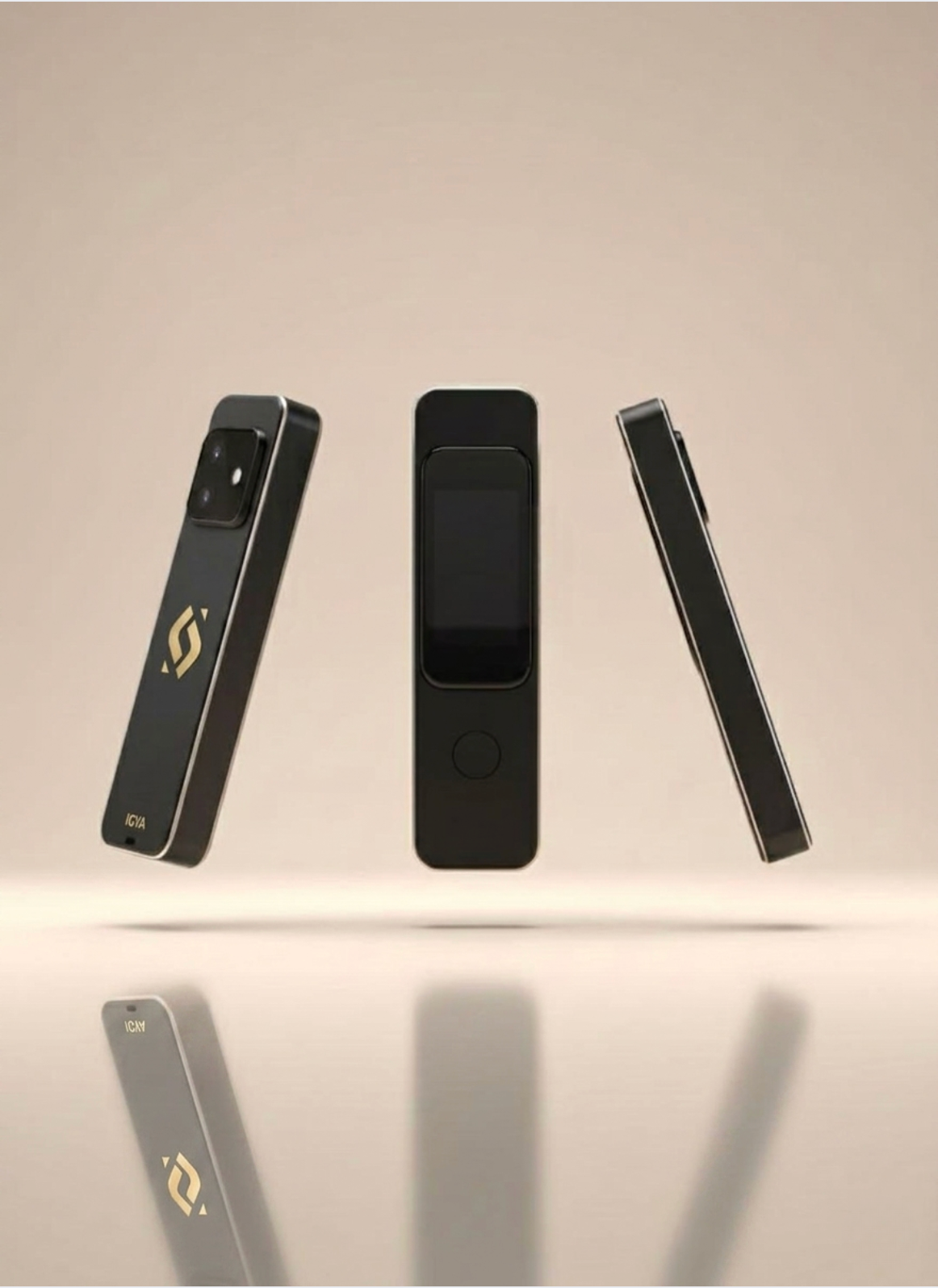
The IGYA Intelligent Detector combines infrared lens detection with wireless signal detection, allowing users to quickly scan their surroundings and identify potential privacy risks.
The process takes only moments and requires no technical expertise. For many users, the biggest benefit isn't finding something suspicious. It's being able to verify that nothing suspicious is there.
Yes. Some devices store footage locally on memory cards and do not require an internet connection.
Most hotels operate responsibly, but hidden cameras have been discovered in hotels and rental properties worldwide.
Many modern detectors are capable of identifying both hidden cameras and GPS tracking devices.
A combination of visual inspection and a dedicated hidden camera detector provides the most reliable results.
Quality detectors can help identify hidden lenses, wireless signals and tracking devices that would otherwise be difficult to notice.
Privacy isn't something most people think about until it feels uncertain.
That's why hidden surveillance is so unsettling.
It's rarely obvious.
It's rarely expected.
And that's exactly what makes it effective.
Whether you're checking into a hotel, staying in an Airbnb, travelling for business or simply protecting your personal space, taking a few moments to verify your surroundings can provide something that's difficult to put a price on:
Peace of mind.